What is Ununpentium: But Why?

Second Day Assignment

PS1.A: Structure and Properties of Matter The periodic table orders elements horizontally by the number of protons in the atom's nucleus and places those with similar chemical properties in columns. The repeating patterns of this table reflect patterns of outer electron states. (HS-PS1-2)
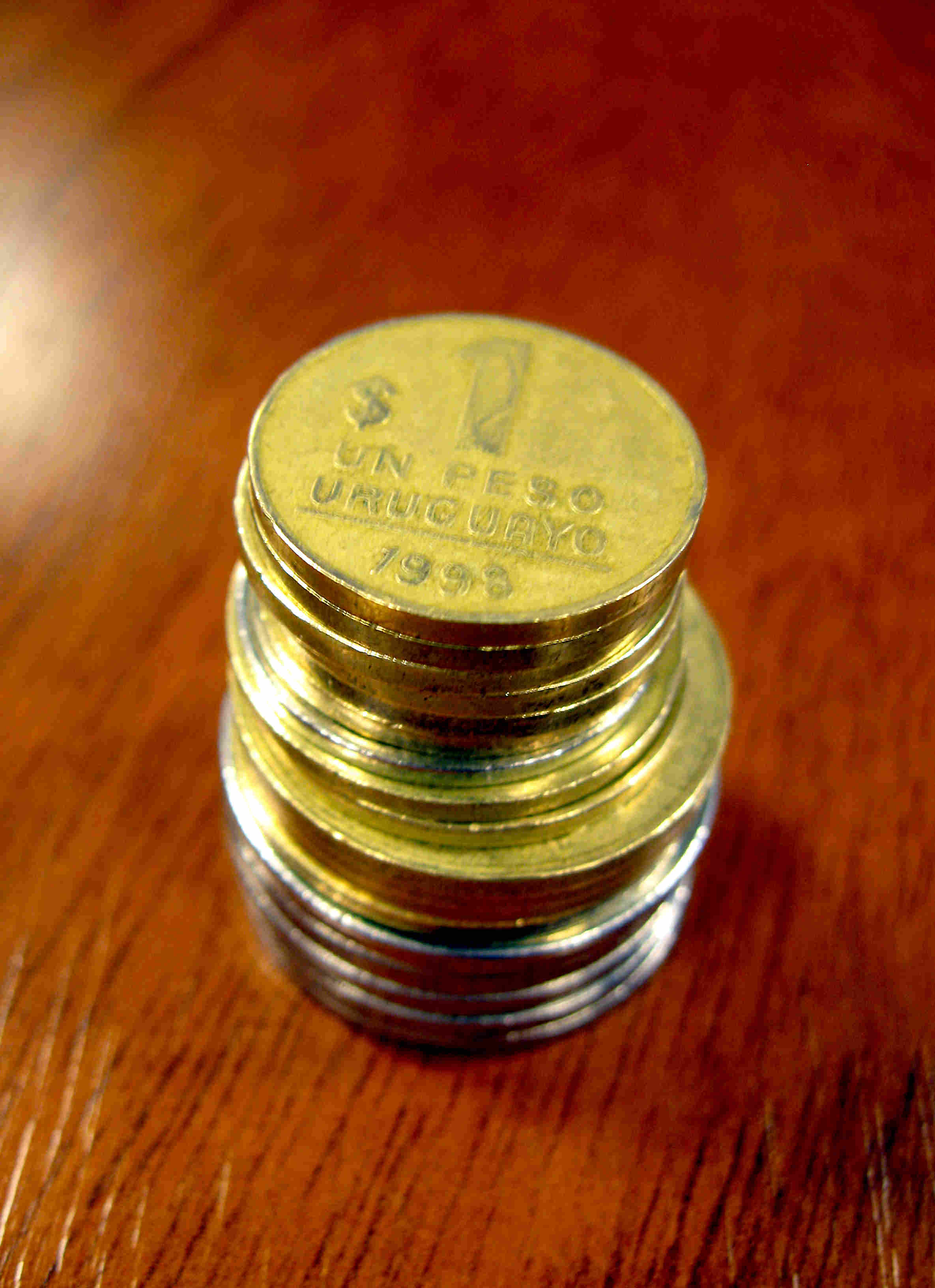
The location of an element on the periodic table gives us a great insight into the properties of that element. The periodic table can most simply be separated into metals, nonmetals, and metalloids. Metals reside primarily on the left of the periodic table. They are lustrous (shiny), malleable, and good conductors of heat and electricity. Almost all are solid at room temperature and most are silvery in appearance. Examples of metals are the coins in your pocket and the dinnerware you use at a sitdown restaurant. On the opposite side of the periodic table are the nonmetals. They are mostly gases at room temperature, but they vary greatly in properties and appearance. The air we breathe is made up mostly of nonmetal elements: nitrogen, oxygen, and argon. Between those two groups are the metalloids which have some of the properties of each group. Metalloids are like silicon which can be made to carry a current or insulate. This makes it perfect for small circuitry like computers.
CCSS.ELA-Literacy.WHST.11-12.4 Produce clear and coherent writing in which the development, organization, and style are appropriate to task, purpose, and audience.


Think about how metals are used in your life in different ways than nonmetals. Explain what things specific metal elements are useful for and what things nonmetals are useful for. Your explanation should be 100 words.


There are several families in the periodic table. The Alkali Metals are very reactive metals. They are so soft: some can be cut with a butter knife! You never find any of them as a metal in nature because they have always reacted with something, therefore you only see them as part of compounds. Alkaline Earth Metals are very similar to the Alkali metals, but not as soft and not as reactive. You know some of them, like Calcium in your bones and Magnesium in your cells.

Most of the metals we think about as metals are transition metals. That's the region at the center of the periodic table. They aren't as reactive as some other metals and so you can find them before they have oxidized away. Coinage metals like silver, gold, and copper are all in this group. The Halogens are a group of extremely reactive nonmetals. They include chlorine used to disinfect pools and fluorine which is added to toothpaste.

There are many types of food. All that food has different properties, taste, calories, social role, serving temperature.

Fill in the table below with 12 different foods organized by column and, if possible, also by row.

Column 1Column 2Column 3Column 4
Row A
Row B
Row C


CCSS.ELA-Literacy.WHST.11-12.1b Develop claim(s) and counterclaims fairly and thoroughly, supplying the most relevant data and evidence for each while pointing out the strengths and limitations of both claim(s) and counterclaims in a discipline-appropriate form that anticipates the audience's knowledge level, concerns, values, and possible biases.
Explain in the space below the table why you organized your “foodiotic table” in the way that you did. Your explanation of your “foodiotic table” should be 100 words.


A large part of chemistry and engineering is knowing about materials and how they can be used. In fact there is an entire type of engineering called “material science.”

For instance, if I am engineering an electronic device and need to be able to get an electric current to pass between two parts of my device, I need to choose the correct material. I know that I would need something from the left side of the periodic table because metals are good conductors. I know that I can't choose an alkaline earth metal or alkali metal because I don't want my device to react with water in the air and possibly explode. I'll need a transition metal. Since I want something that I can easily heat up and place a small amount of on a small circuit board, I can't use iron, because it's melting point is too high. Tin is perfect for this. A lot of soldering is done with Tin, in fact there is most likely Tin in the device you are using to read this article.

CCSS.ELA-Literacy.WHST.11-12.7 Conduct short as well as more sustained research projects to answer a question (including a self-generated question) or solve a problem; narrow or broaden the inquiry when appropriate; synthesize multiple sources on the subject, demonstrating understanding of the subject under investigation.
Your element is . Write about a couple of things that it is used for and explain how its place on the periodic table helps with that. (ie, Gold is a transition metal. Transition metals are less reactive than other metals which means gold stays shiny longer than most metals. This makes it perfect for jewelry and as a currency. etc . . .). Your response should be 150 words. Use your computer to research your metal. Choose reputable sources like Universities and News organizations.